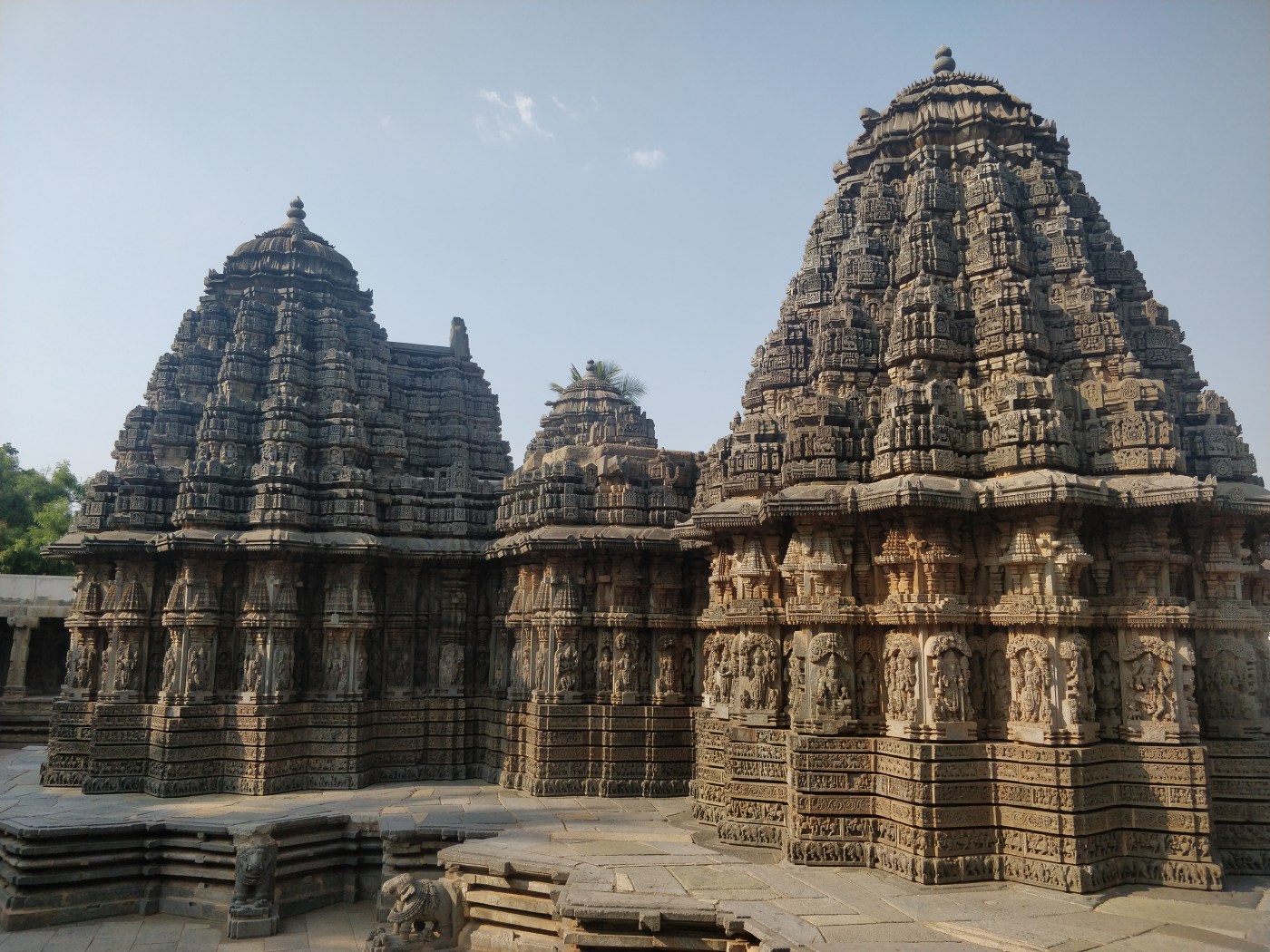
Have you ever experienced the beauty of Indian architecture in its Temple form. Temple is a religious place dedicated for worship but temples in India are more than just that. They are a personification of our culture, art, our community and beliefs. Each structure has a purpose and every stone placed tells you a story.
Am here to share one such story of a hidden gem built in the 13th century, the Chennakeshava Temple. It stands tall even today glorifying the Hoysala architecture.
Being from a south Indian family means, you spend most of your summer vacations visiting different temples and prominent pilgrimages. Same goes with me but like any other child I was always bored and wished to visit some exotic touristy place far away until I grew up and realized very late, how fortunate I have been to have spend time amongst these marvels i.e. Indian Temples .
And today I can not emphasize enough to anyone who wants to know about my country, culture or our history to visit these places of worship where every stone carving is an exemplary representation of innovation and heritage our people carried.
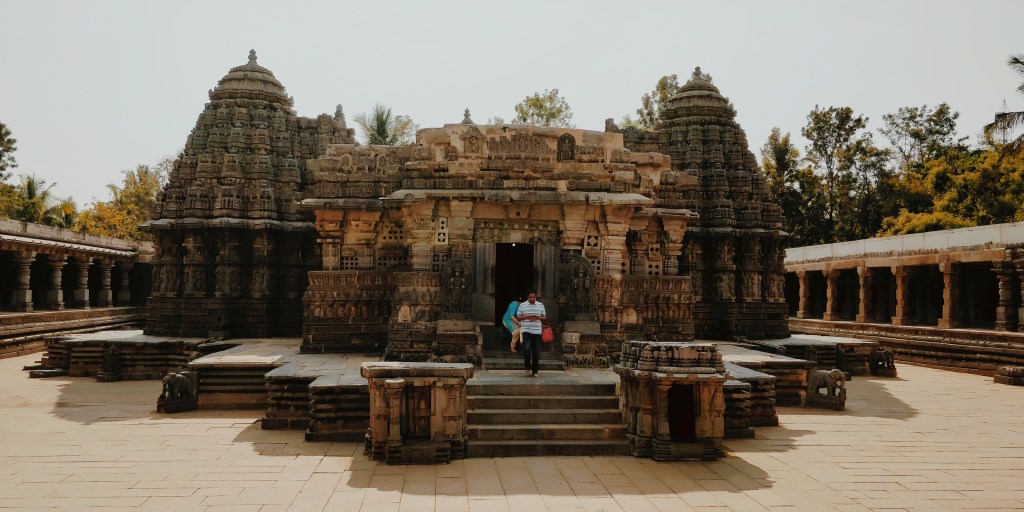
Chennakeshava Temple, Somanathapura
I am not qualified to speak on the vast subject of Indian architecture but I am an enthusiast who would love to share her experience as a naïve observer, who stumbled upon this hidden gem near Mysore.
The chennakeshava Temple was built by Somanatha Dandanayaka, a general of the Hoyasala kingdom in 1258 CE. Well, history and I have never been on the same page but when you see the most delicate designs carved on hard stones, you are intrigued to know who made this wonder possible.
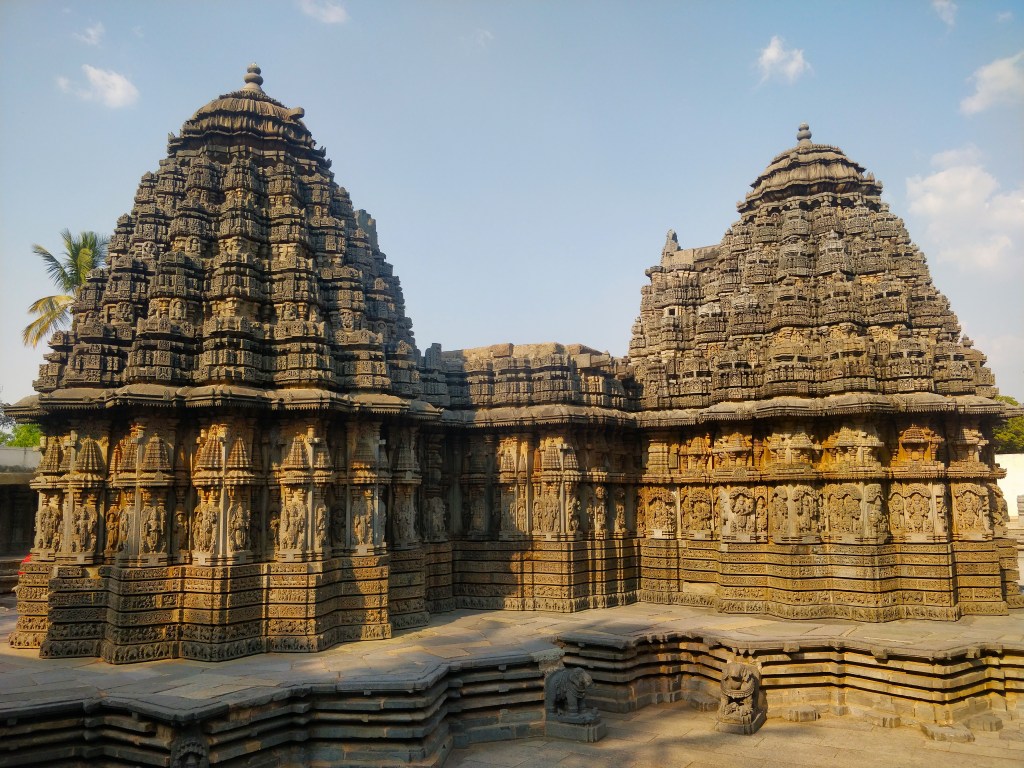
The Hoyasala craftsmanship is significantly complex with its angles and projections. This temple has an unique shape with a outer base layer which acts as a pathway for the visitors to circumvent the shrines.
The Stella plan is the most characteristic feature of Hosyala architecture. This temple is a collation of multiple small stupas connected internally and each shrine looks like a star which enhances the detailing of sculptures when light hits at different angles craved on the outer sanctum.
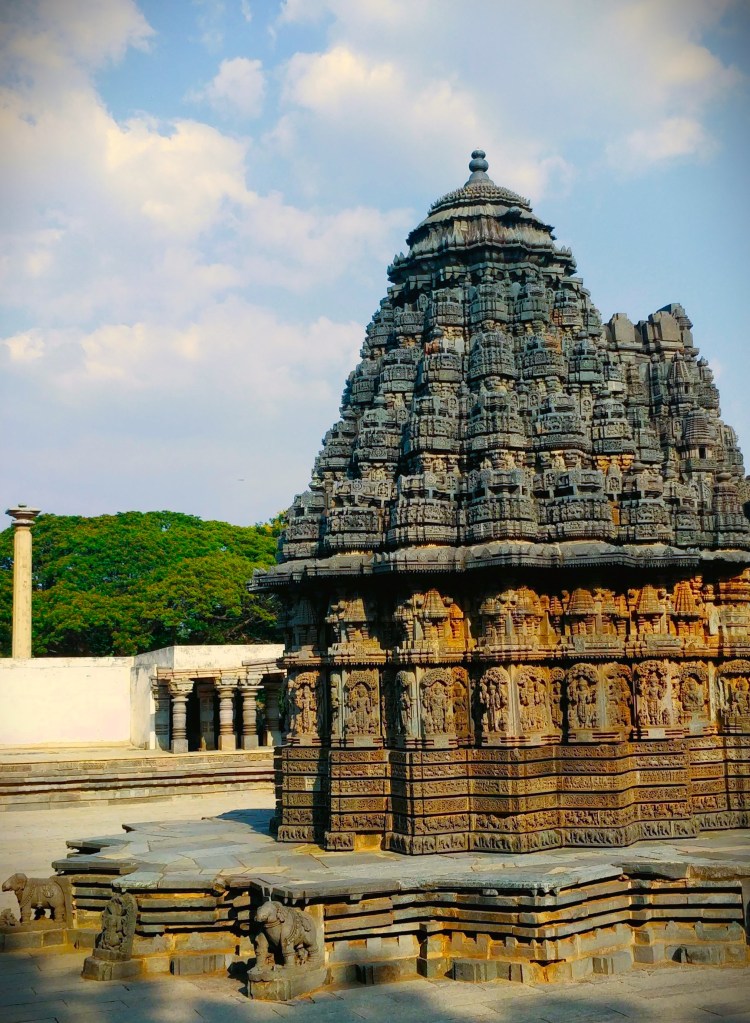
Each pillar has an intricate and unique yet very delicate designs which are impossible to attain even today with the most modern machinery and to think such embellishments where achieved through crude tools available in the 12th century is astonishing.
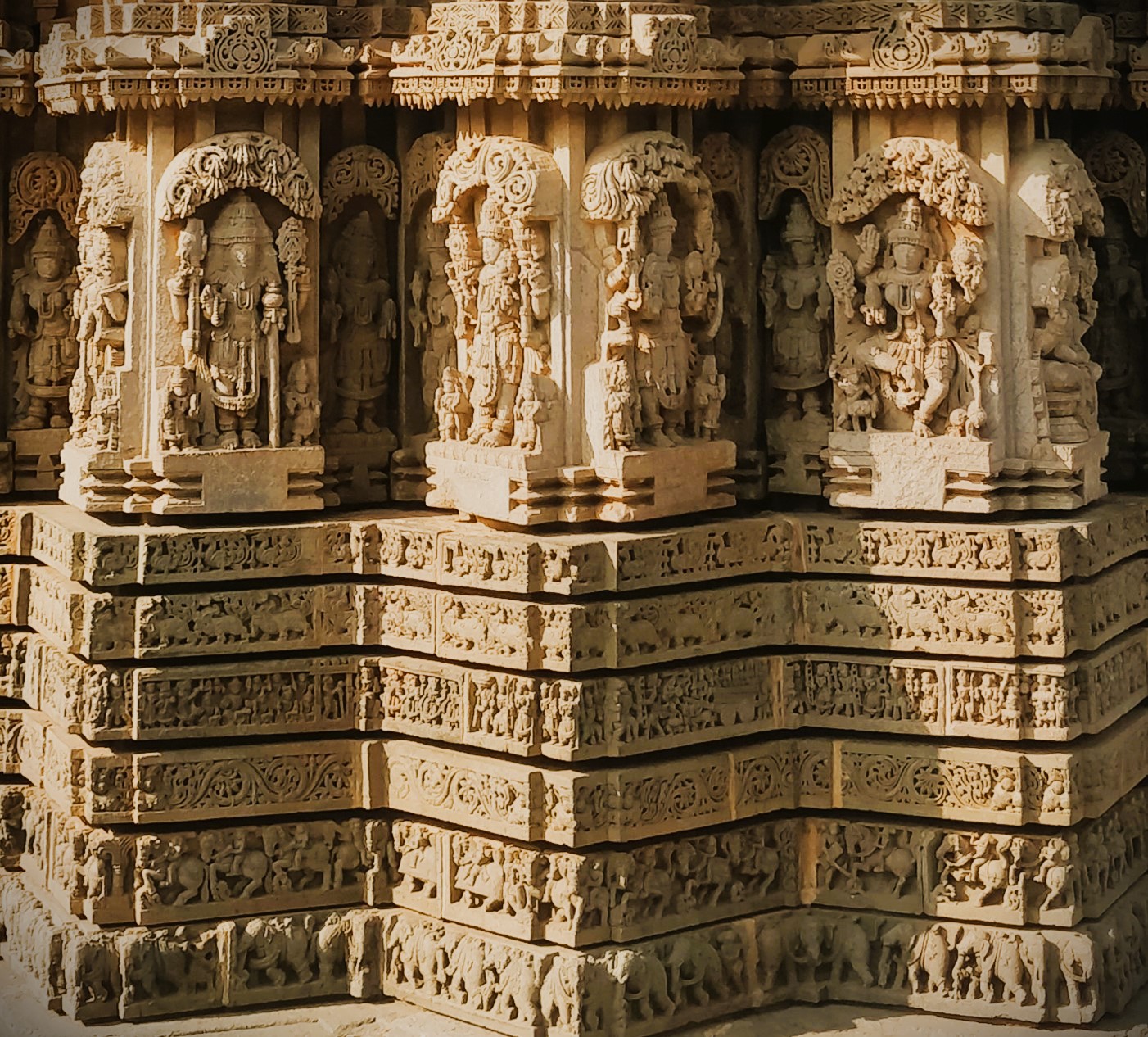
The artisans and architects were clever to source the the locally available soft stones in South Karnataka known as the soapstone to crave elaborate designs on structures and intricate detailing on the shilas creating their own unique style in temple construction.
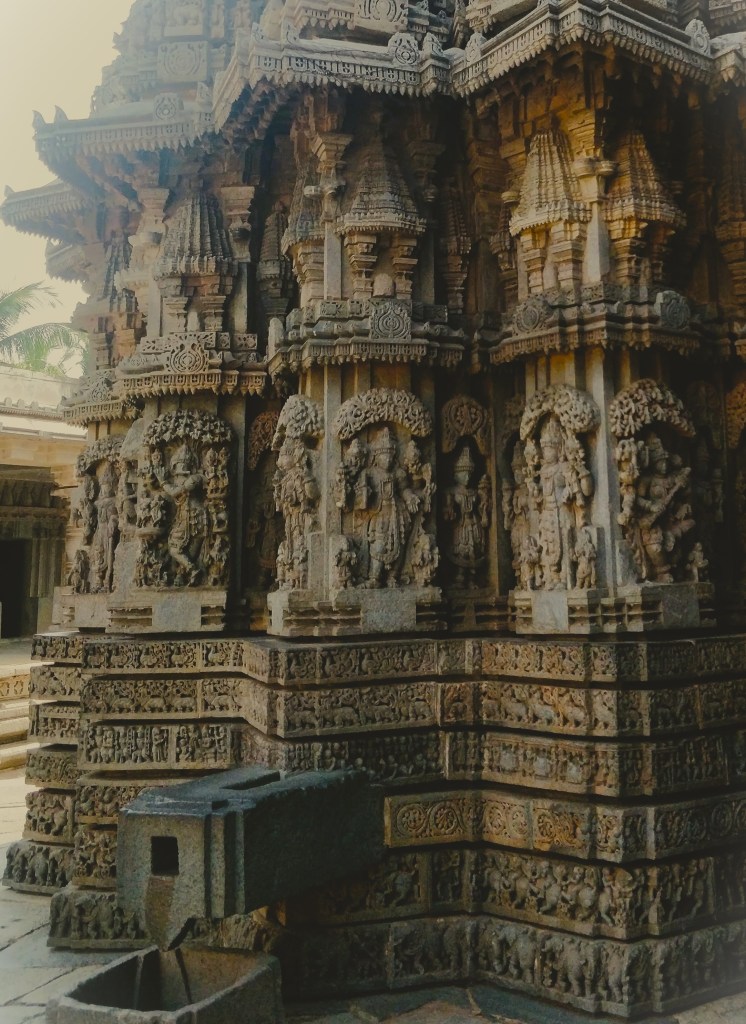
The local craftsmen were able to add in the tiniest details such as fingernails or a frill to the statues on the walls enhancing the carvings.
There are multiple ceilings, each with completely different design. It is pleasantly surprising for someone like me, who is used to the big Gopurams and gigantic pillars generally attributed to Hindu temples, to come across the various stories and creatures depicted in microscopic details on these enormous stones.
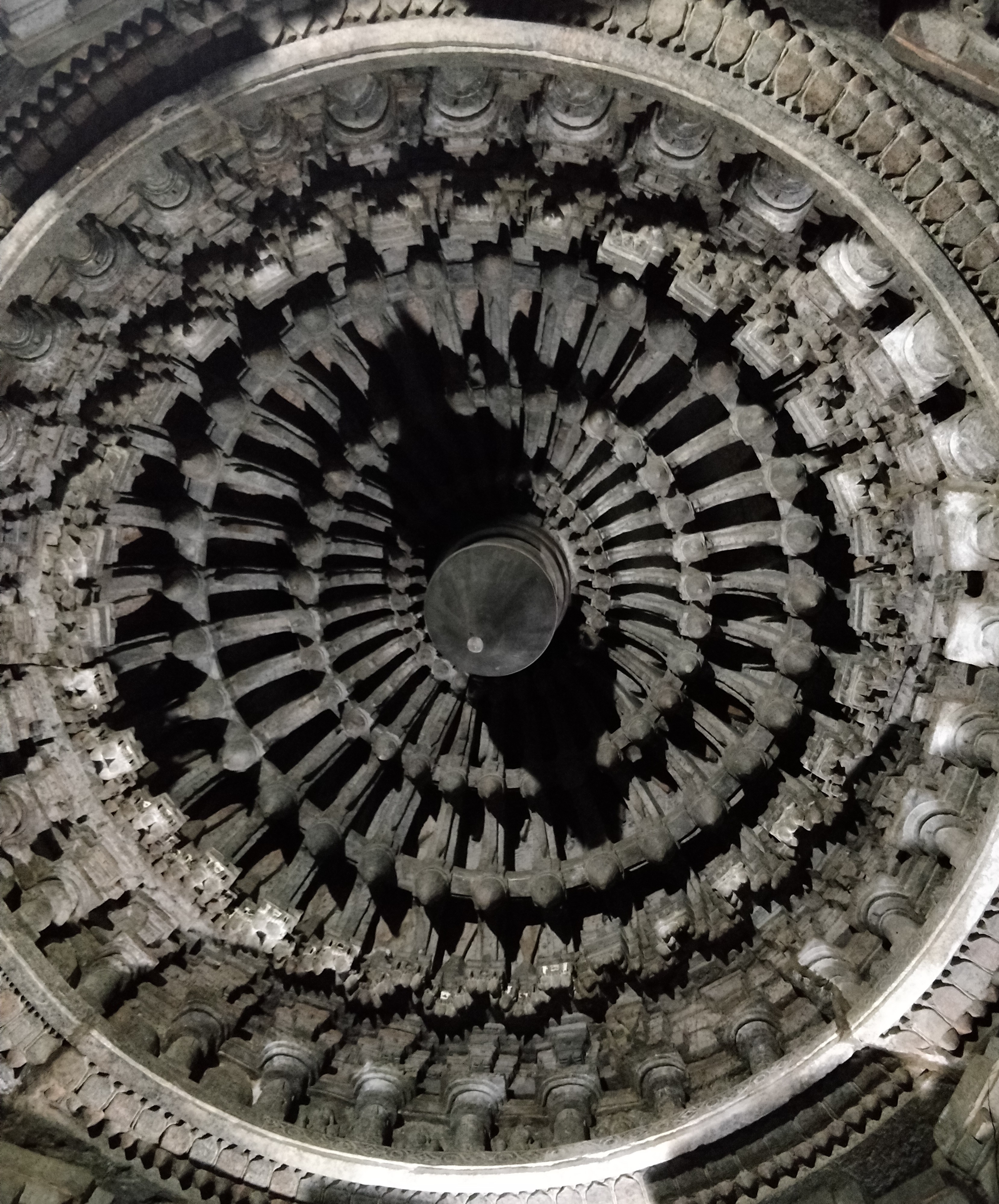
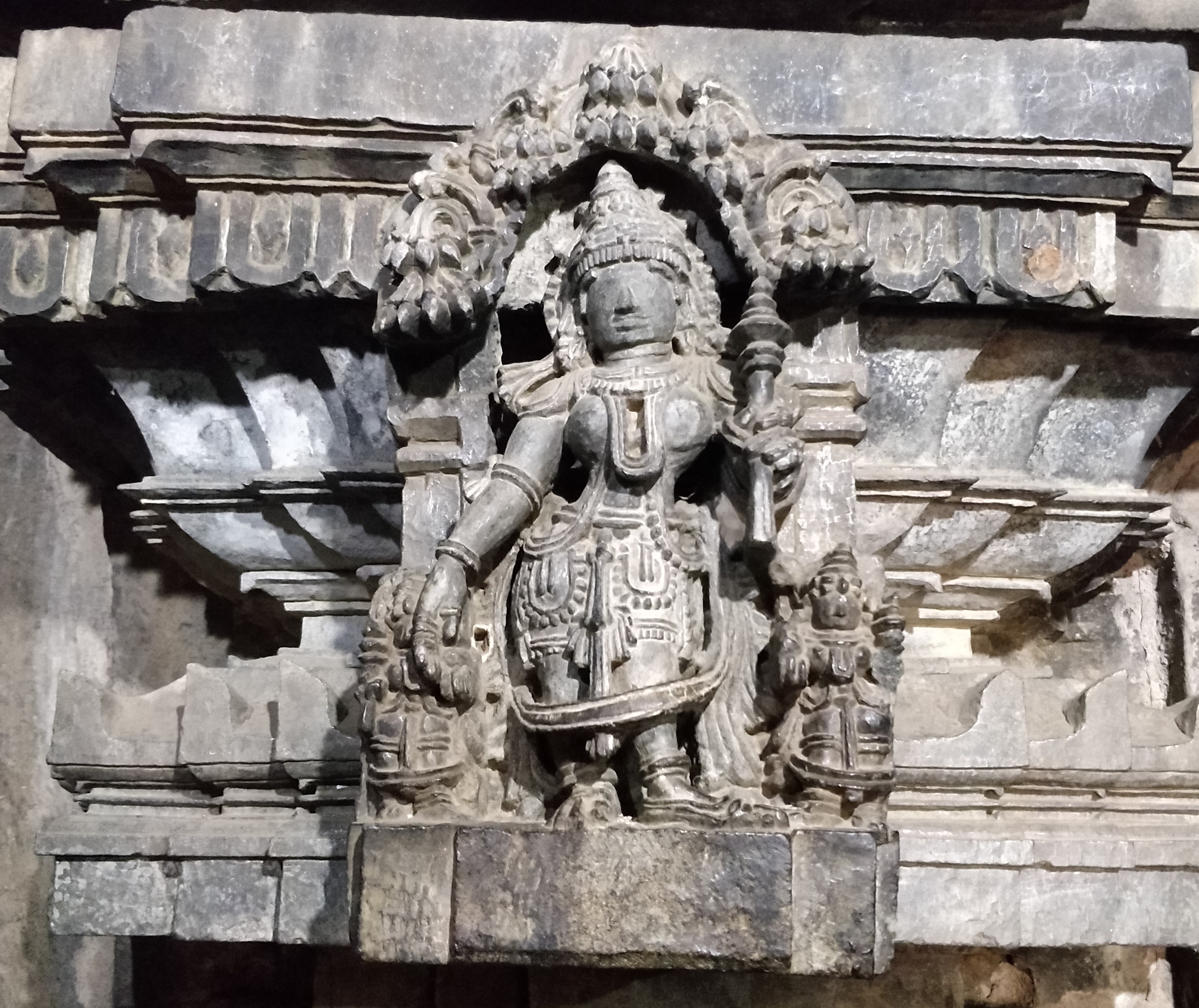
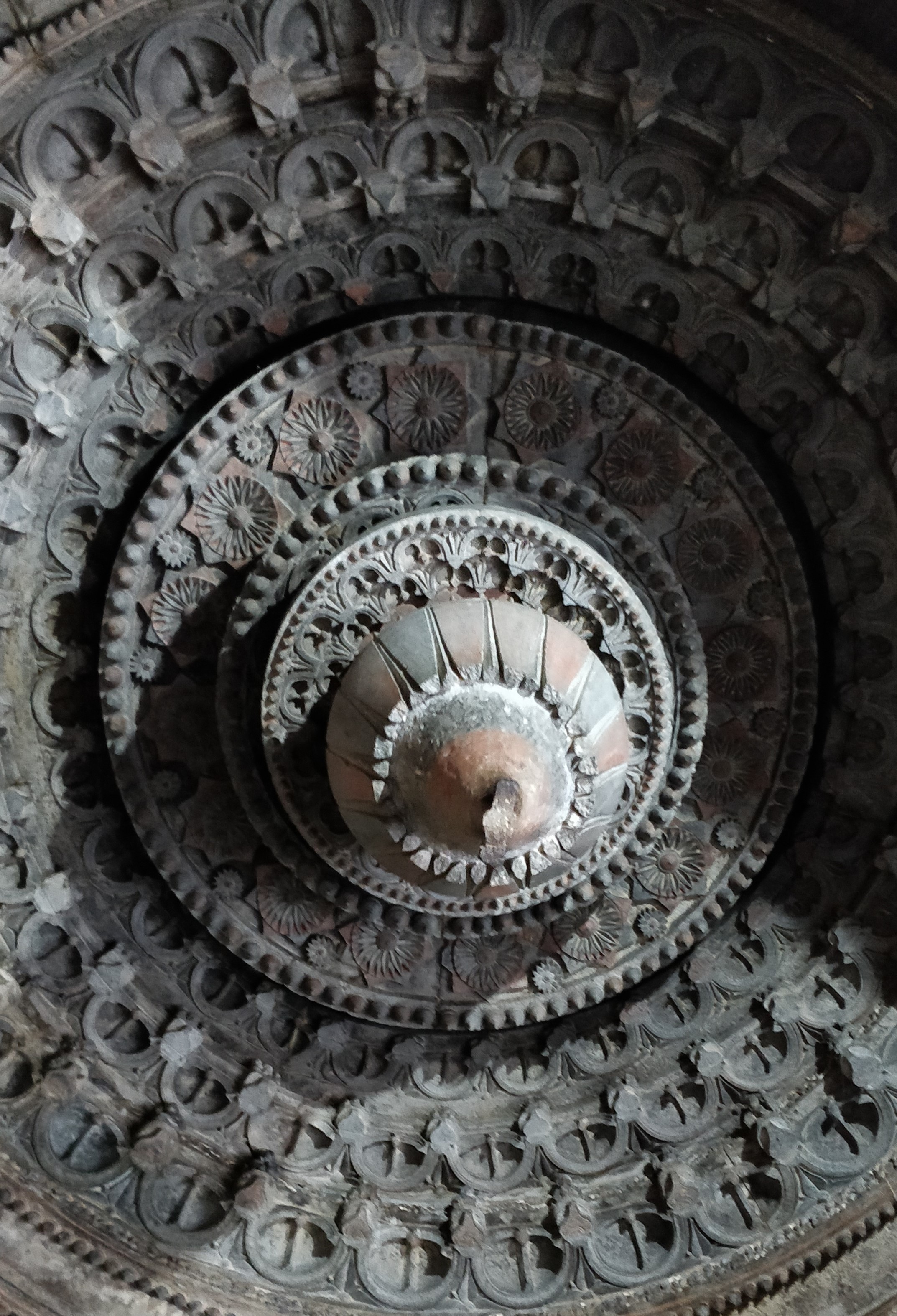
The skilled sculptors sculpted tales from Hindu puranas, animals, gods and goddesses on the outer sanctum.
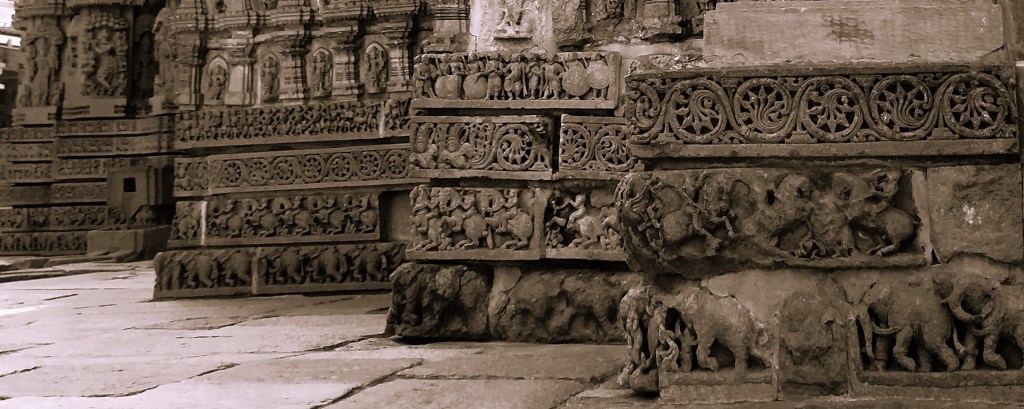
The whole temple is amalgamation of 3 shrines each dedicated to different avataras of Lord Vishnu Keshava, Janardhana and Venugopala.
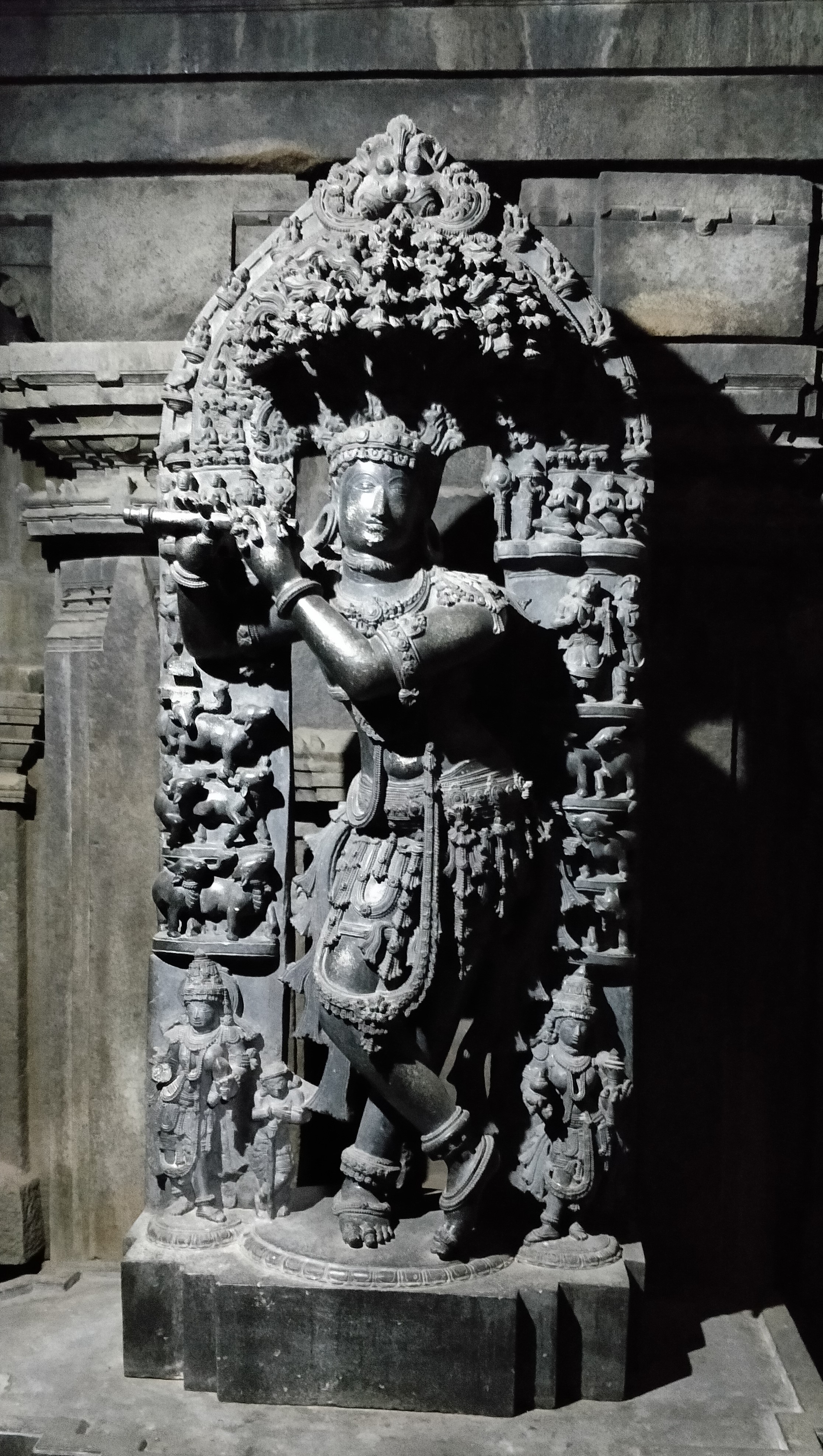
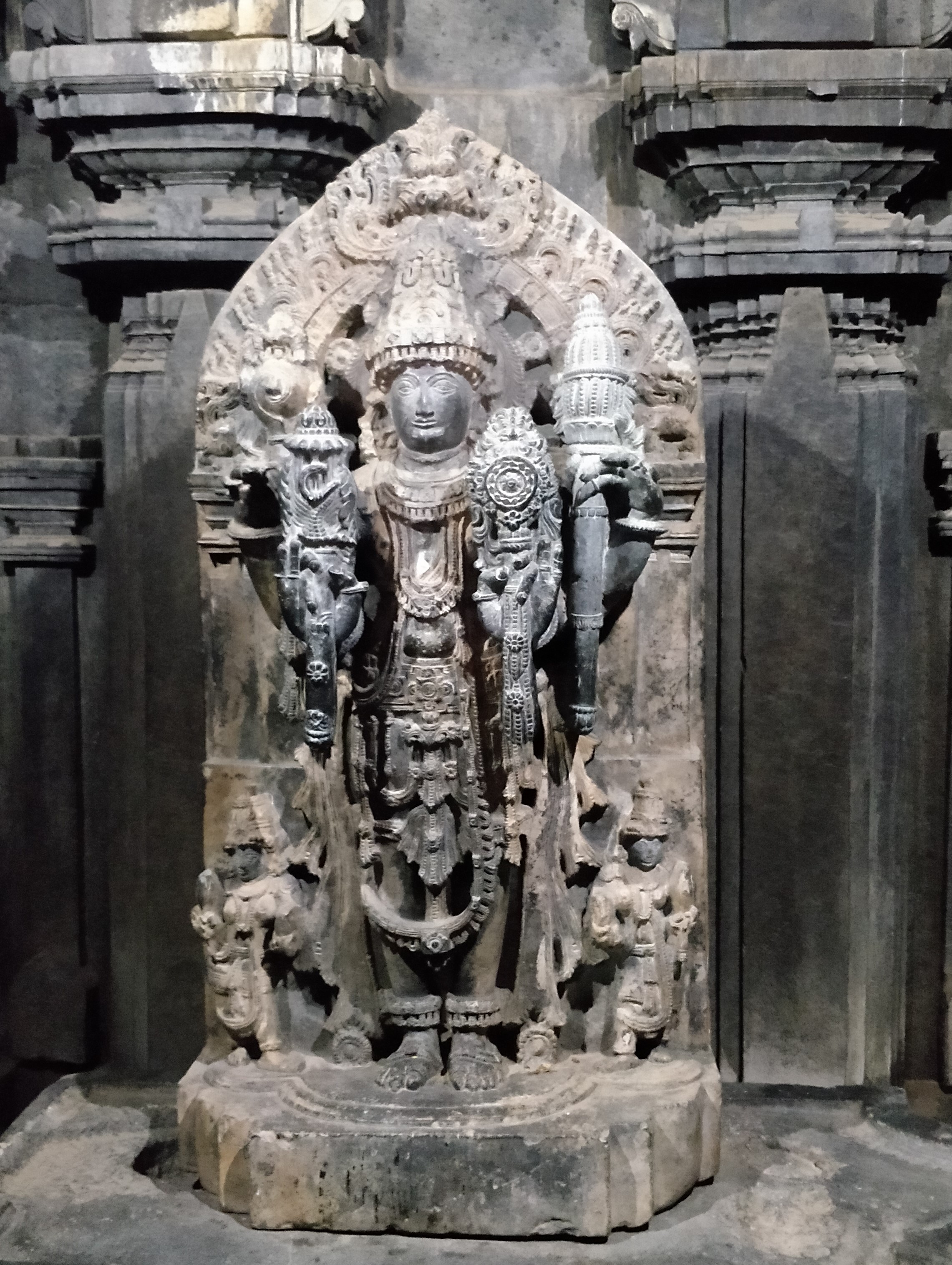
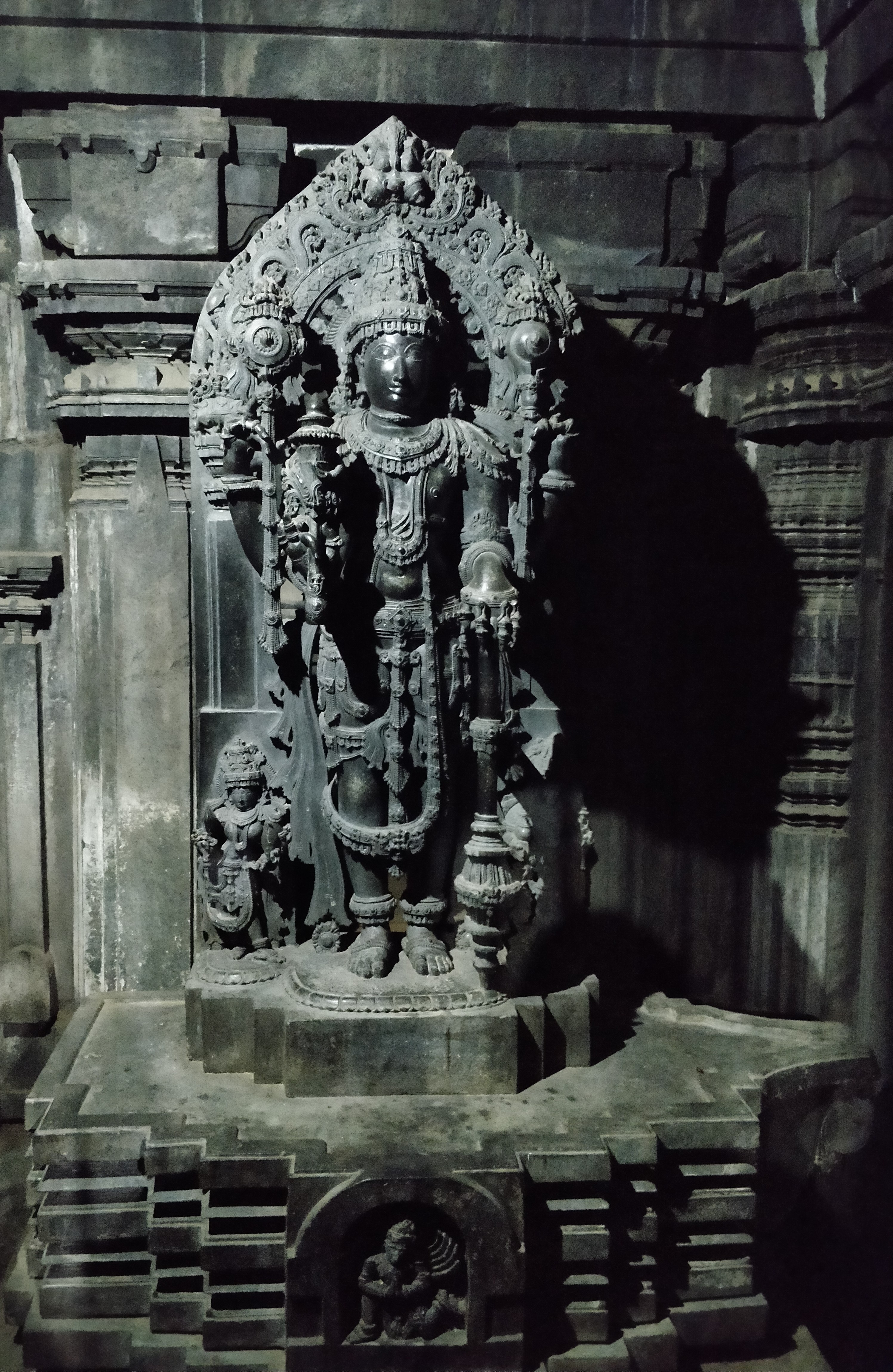
Unfortunately some structures are broken and some part of the temple destroyed due to invasions of various kings. The main idol is missing and others are damaged. Hence no worship or prayers are conducted in this temple. I have not been able to do any justification to this opulence structure.
We are fortunate to have such wonderful places within our reach and I cannot wait to visit other such marvels of our country. I hope to visit the other pillars of Hoyasala architecture, the famous temples of Belur and halebid.
Hope you have a chance to visit this marvel as well 🙂
 PerspectiveBug
We will go to Halebiedu and Belur together
LikeLiked by 1 person
Lets plan soon !!!!!!!! 🙂
LikeLike
Amazing content and thankyou for the virtual tour
LikeLiked by 1 person
Thank you 🙂
LikeLike
I appreciate your writing skills. Happy to read this article .
LikeLiked by 1 person
Thank you so much 🙂
LikeLike